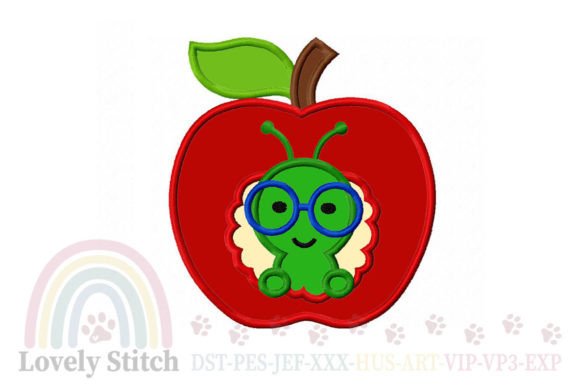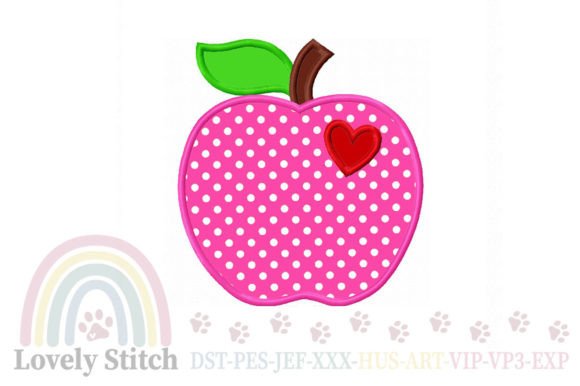
Bookworm Applique Embroidery
First Impressions: Charm, Clarity, and Craftsmanship
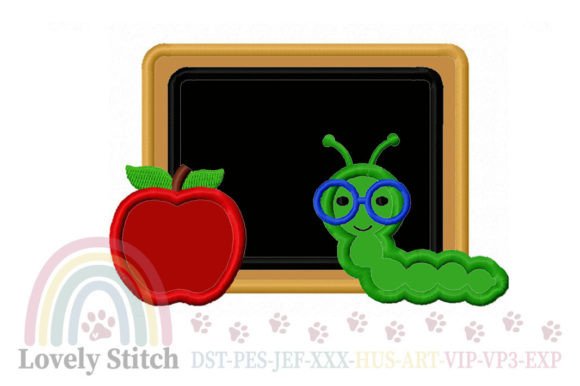
As an embroidery designer who’s stitched thousands of boutique apparel pieces—from limited-run hoodies to seasonal capsule collections—I opened Bookworm Applique Embroidery expecting a sweet, school-ready motif. What I found was more intentional than cute: a balanced apple appliqué with subtle book-inspired detailing—perhaps a tiny open page texture in the leaf, or soft stitch-layering that suggests pages turning. The layout feels centered but not rigid; it breathes on fabric. There’s no visual clutter, yet it carries narrative weight—a quiet nod to curiosity, learning, and tactile joy. This isn’t just a back-to-school cliché. It’s a machine embroidery design with personality.
How It Lives on Sweatshirts: Texture, Tone, and Placement
Bookworm Applique Embroidery shines brightest on premium sweatshirts—not as a filler graphic, but as a signature detail. On heather gray or oatmeal French terry, the appliqué’s clean edge and gentle shadow stitching create quiet luxury. On charcoal or navy, contrast thread (think cream or warm taupe) lifts the design without shouting. Pastel sweatshirts—dusty rose, sage, or sky blue—let the apple’s shape sing softly, reinforcing its handmade, approachable charm. For oversized hoodies? It anchors the chest beautifully—neither lost nor overwhelming. As a sleeve accent? Trimmed down slightly, it adds surprise without compromising wearability. And yes—it scales elegantly for back designs on relaxed-fit crewnecks, especially when paired with minimalist typography like “Chapter One” in delicate satin stitch.
Design Personality: Playful, Not Precious
This is where Bookworm Applique Embroidery stands apart from generic academic motifs. It avoids cutesy overkill—no cartoonish glasses, no exaggerated apples with teeth. Instead, it leans into playful minimalism: enough detail to feel considered (a curved stem, layered fabric grain in the appliqué base), but enough negative space to let the sweatshirt’s texture speak. It reads as feminine but not fussy, rusted-chic but not vintage-reliant, and handmade without looking handmade-in-a-hurry. That balance is gold for small shop owners building brand identity around authenticity—not trend-chasing.
Practical Designer Notes: What You’ll Actually Need to Know
Before cutting stabilizer, here’s what matters:
- Thread color contrast: The design relies on tonal layering—not high-contrast pop. If your fabric is light, opt for matte cotton threads in warm ivory or muted sage. For darks, avoid stark white; try ecru or stone for depth.
- Stitch density & fabric thickness: As an appliqué, Bookworm Applique Embroidery likely uses fewer fill stitches than a full-coverage design—ideal for medium-weight fleece and loopback sweatshirts. Still, test on your exact fabric: dense terry may need lightweight cutaway + tear-away combo stabilizer; lighter jersey blends may only require soft tear-away.
- Small-size readability: At 3.5" wide (a common chest placement size), the apple’s stem and leaf remain legible, but fine details like page lines may soften. If using under 3", confirm detail retention in your embroidery file preview—especially if selling digital files directly to crafters.
- Hoop placement & washing durability: Its compact footprint makes center-chest or left-chest placement intuitive. Because it’s primarily appliqué + satin-stitched edges (not dense fills), it holds up beautifully to cold washes and low-heat drying—critical for custom apparel customers who value longevity.
Boutique Brand Impact: More Than Just a Design
For Etsy sellers and small clothing brands, Bookworm Applique Embroidery does double duty: it elevates perceived value *and* reinforces voice. A neutral sweatshirt with this design doesn’t say “generic back-to-school drop”—it says “thoughtfully made for readers, thinkers, and quiet achievers.” That resonance builds buyer trust faster than any tagline. In lifestyle product photography, it catches natural light beautifully—the fabric’s nap interacts with satin-stitched edges, creating gentle dimension. In printable mockups or digital listings, it reads cleanly at thumbnail size, supporting strong visual recognition across platforms. And because it’s rooted in storytelling (books + apples = knowledge + growth), it invites engagement—customers tag friends, share “my bookworm phase” captions, and return for matching tote or notebook designs.
Where It Fits—and Where It Doesn’t
This embroidery file thrives in intentional contexts: curated back-to-school collections for indie bookshops, teacher appreciation bundles, cozy autumn launches, or slow-fashion loungewear lines. It’s less suited for high-energy youth apparel aimed at middle-schoolers seeking bold graphics—or for ultra-minimalist brands that reject all figurative motifs. It also assumes your audience values tactility: the slight raised texture of appliqué, the soft fraying edge of raw-cut fabric layers, the warmth of cotton thread against skin. That’s not a limitation—it’s alignment.
Final Thought: A Design That Serves Your Shop
Bookworm Applique Embroidery isn’t just another digital embroidery file you download and stitch. It’s a design partner—supporting your ethos as a boutique brand that chooses meaning over mass, craft over convenience, and quiet confidence over noise. When your customer pulls on that sweatshirt, they’re not just wearing apparel. They’re holding a small, stitched invitation—to read, reflect, begin again. That emotional resonance? That’s what turns a one-time buyer into a repeat customer. That’s what makes sweatshirt embroidery feel like storytelling.
Before production: always verify hoop size, recommended stabilizer type, and commercial-use licensing—especially if you’re reselling the embroidery file or offering it as part of a maker kit. Details like stitch count and format (PES, DST, JEF) aren’t listed here, so cross-check with your vendor. But if those fundamentals align? Bookworm Applique Embroidery is ready to become a quietly beloved staple in your Back To School lineup—and beyond.