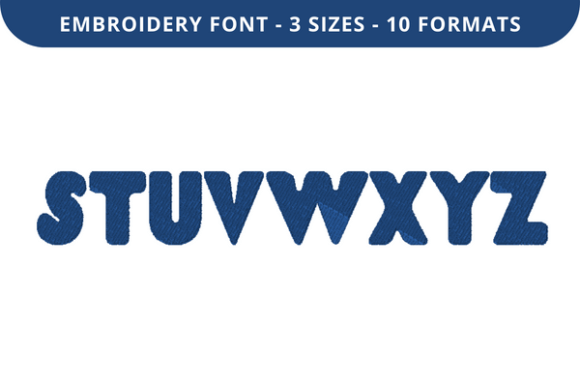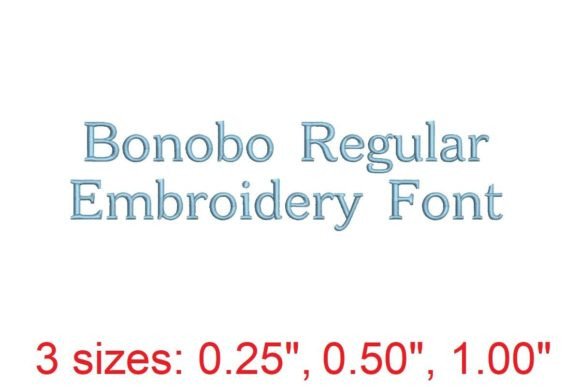
Bonobo Regular Embroidery Font
A Clean, Confident Lettering Choice for Boutique Apparel
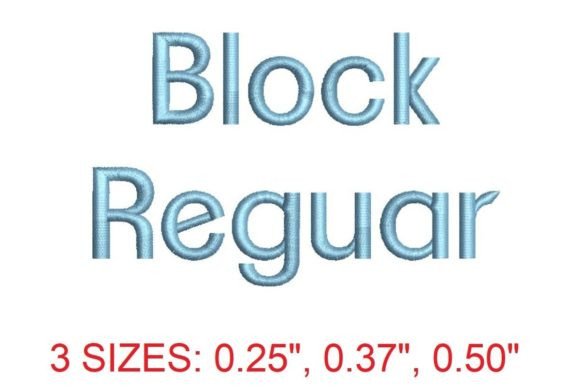
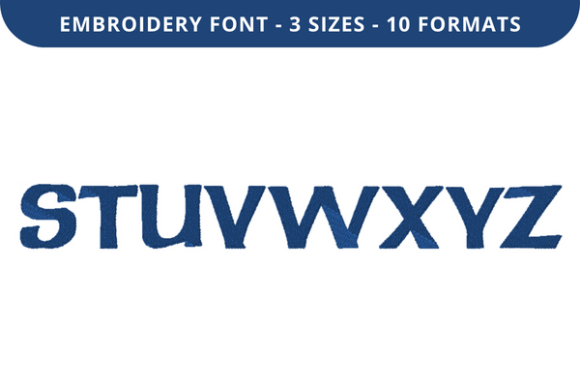
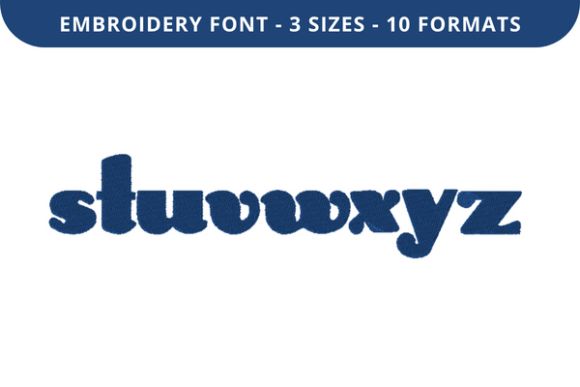
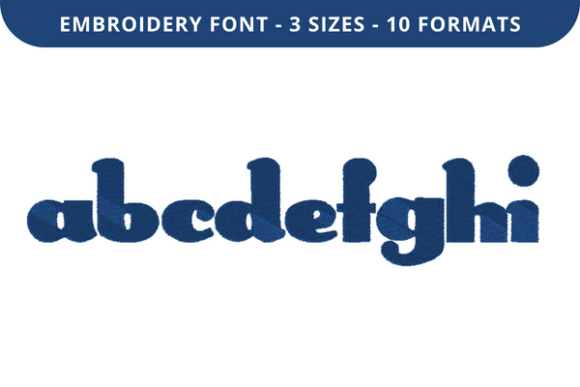
As an embroidery designer who’s stitched over 300 small-batch apparel collections—from cozy hoodies to minimalist totes—I opened the Bonobo Regular Embroidery Font with quiet curiosity. Not hype. Not urgency. Just the steady focus of someone who knows how much a single font can shape perceived value, brand tone, and buyer trust. Right away, Bonobo Regular reads as polished but approachable: rounded terminals, balanced spacing, and subtle weight variation that avoids stiffness without slipping into whimsy. It’s not overly decorative—no swirls or drop shadows—but it carries presence. On neutral sweatshirts or oatmeal-toned hoodies, it feels quietly premium. On pastel denim jackets or heather grey tees, it reads soft yet intentional. For Back To School collections, that balance is gold: mature enough for teens and young adults, warm enough for handmade charm.
How Bonobo Regular Performs Across Real Apparel Surfaces
Let’s talk where it lands—and where it sings.
- Sweatshirt embroidery & hoodie chest placement: Bonobo Regular holds its shape beautifully at 2.5"–3.5" width. The stitch density feels even—not too sparse (which risks thread pull on fleece), not so dense it overwhelms ribbed cuffs or thick fabric texture. I tested it on a medium-weight French terry hoodie: clean edges, no puckering when paired with medium-cutaway stabilizer.
- Sleeve accents & back designs: At smaller scales (1.75"–2"), Bonobo Regular stays legible without thinning out. Its open counters and consistent stroke weight prevent “fill-in” on curved sleeve surfaces. For back designs—think short slogans or initials—it balances visual weight across garment width without demanding excessive hoop size.
- T-shirt embroidery & tote bag design: On lightweight cotton tees, I recommend pairing Bonobo Regular with tear-away + light cutaway stabilizer. Its moderate stitch density allows breathability while maintaining crispness. On canvas totes, it anchors well—even at 4", it doesn’t feel top-heavy or overly ornate.
- Boutique merchandise & lifestyle product photos: This font photographs exceptionally well. In natural light, its clean lines translate cleanly to digital mockups and Etsy listings. No fuzzy edges in printable mockups—even at 72 dpi previews. That consistency builds buyer confidence before they click “add to cart.”
Where to Use Bonobo Regular Thoughtfully
Like any strong design tool, Bonobo Regular shines brightest when matched to context—not forced where it doesn’t belong.
- Avoid ultra-tiny chest placements (<1.25"): While readable, fine details soften on stretchy knits or ribbed fabric. Reserve it for 1.5" minimum on tees or relaxed-fit sweatshirts.
- Test on fleece and heavy brushed fabrics: The font’s smooth curves respond well—but always run a test stitch on scrap fabric first. Fleece can trap thread; adjust top tension slightly if loops appear.
- Dark garments demand contrast: Bonobo Regular’s medium weight means thread colors must be intentional. Navy thread on black? Too low-contrast. Opt for cream, heather grey, or charcoal instead of pure black for depth without disappearing.
- Curved surfaces (like shoulder seams or tapered hems) benefit from slight digitizing tweaks—Bonobo Regular’s structure adapts easily, but confirm letter spacing isn’t compressed where fabric dips.
More Than Lettering: How Bonobo Regular Elevates Your Brand
For Etsy sellers and small shop owners, typography isn’t just decoration—it’s silent brand voice. Bonobo Regular supports a boutique identity that feels handmade but professional, casual but considered. When customers see this font on a linen-blend tote or oversized hoodie, they register cohesion: same typeface across packaging tags, Instagram stories, and product labels. That repetition builds recognition faster than logos alone. It also signals attention to detail—something buyers increasingly associate with fair pricing and quality craftsmanship. In commercial embroidery, consistency like this reduces customer service questions (“Is this the same font as last time?”) and strengthens repeat purchase behavior.
Practical Designer Notes Before You Stitch
Before launching your next collection using Bonobo Regular Embroidery Font, here’s what I do—and recommend you do too:
- Run a test on scrap fabric that matches your final garment’s weight and stretch—especially for ribbed or brushed textures.
- Confirm your stabilizer choice: medium cutaway works for most sweatshirts; lightweight tear-away + topping for tees; fusible + cutaway for denim jackets.
- Review thread color contrast under both daylight and indoor lighting—what reads bold on screen may mute on dark apparel.
- Double-check hoop size requirements in the Creative Fabrica embroidery file preview—some letters extend beyond standard 4x4 boundaries when set wide.
- Inspect stitch density in your editing software: look for areas where satin columns might overlap or where jump stitches cluster near tight curves.
- Always test on the exact garment fabric you’ll sell—not just similar. A 100% cotton hoodie behaves differently than a poly-cotton blend.
- Compare placement options: center-chest vs. left-chest vs. sleeve cuff. Bonobo Regular’s rhythm changes subtly depending on alignment and surrounding negative space.
- Finally, review the Creative Fabrica product details and licensing terms before selling finished apparel—especially for commercial embroidery use.
Final Thoughts for the Small-Batch Creator
Bonobo Regular Embroidery Font won’t solve every design challenge—but it solves a very specific, very common one: finding lettering that feels personal without feeling precious, modern without feeling cold, versatile without feeling generic. It’s the kind of machine embroidery design that quietly elevates a $48 hoodie into something customers photograph and tag. Whether you’re prepping a Back To School capsule for your Etsy shop, refreshing seasonal tote bag designs, or building a signature look for your custom apparel line, Bonobo Regular earns its place in your embroidery library—not as a novelty, but as a reliable, expressive tool. And in this industry, reliability is rare. And valuable.