Owl with Glasses Mini Embroidery
First Impressions: A Tiny Scholar with Big Charm
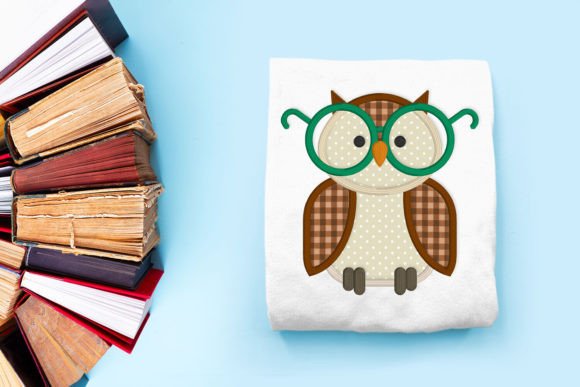
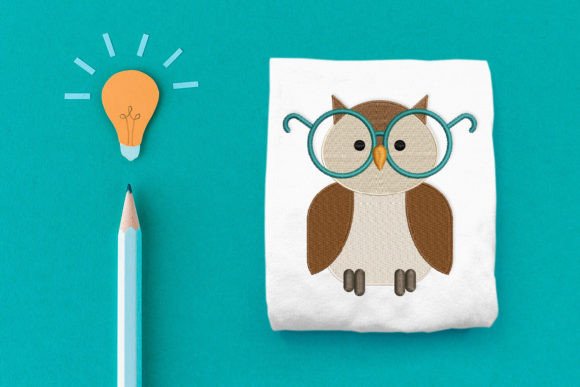
As an embroidery designer who’s tested hundreds of digital embroidery files for personalized gift shops, I’ll say it plainly: Owl with Glasses Mini Embroidery lands with quiet confidence—not flash, but warmth. The moment I opened the file, I felt that familiar spark: this isn’t just a bird—it’s a personality. The owl sits upright, round-eyed and gently smiling, with delicately rendered glasses perched just so. It reads as sweet without being saccharine, playful without sacrificing elegance, and handmade without looking amateurish. There’s a softness in the stitch flow—no harsh edges or over-digitized rigidity—and the proportions are spot-on for a mini design: compact enough for a baby onesie chest pocket, yet expressive enough to hold its own on a linen pillow cover.
Where This Design Truly Shines
Owl with Glasses Mini Embroidery is a quiet powerhouse for meaningful gifting. I’ve already sketched mockups for several real-world uses—and each one deepened my respect for its versatility:
- Baby embroidery: Stitched on organic cotton swaddle blankets or muslin burp cloths, it whispers “future reader” rather than shouting “cute.” Parents love subtle, story-rich motifs—and this owl fits perfectly into nursery themes centered on curiosity, learning, and gentle growth.
- Wedding gift & family keepsakes: Imagine it embroidered on a linen handkerchief tucked into a groom’s pocket—or stitched onto a custom book sleeve gifted to a librarian couple. Its studious charm adds emotional resonance without leaning into cliché.
- Personalized towel & kitchen textiles: On flour-sack towels or tea towels, it adds wit and warmth—ideal for teachers, librarians, or book club hosts. The scale holds up beautifully at 2.5–3 inches wide, balancing visibility with refinement.
- Pillow covers, aprons & tote bags: Whether on a canvas tote for back-to-school or a linen apron for a small-batch baker, Owl with Glasses Mini Embroidery delivers instant character. It doesn’t compete with fabric texture—it complements it.
- Etsy seller & craft fair appeal: As a digital embroidery file, it’s highly marketable: low thread count (ideal for beginners), clean digitization, and strong visual storytelling. Customers instantly “get it”—and that cuts down on support questions and returns.
Where to Use It Thoughtfully
This design is thoughtful—but it’s not magic. Like any well-crafted machine embroidery design, it thrives with intention. Here’s where extra care pays off:
- Small lettering or fine details: The glasses frames are charming but delicate. Avoid shrinking the design beyond its intended mini scale—especially on stretchy baby knits or curved surfaces like mug sleeves.
- Textured or thick fabrics: On heavy terry cloth towels or dense quilting cotton, use a medium-cutaway stabilizer to prevent puckering and preserve the glasses’ crisp lines.
- Dark fabric & contrast: Test your thread colors carefully. Light ecru or oatmeal thread pops beautifully on navy or charcoal—but avoid pale yellow on cream unless you’re aiming for whisper-soft subtlety.
- Frequent-wash items: For blanket embroidery or baby onesies, confirm the stitch density supports durability. A tighter fill in the owl’s body helps longevity—check your file’s settings before production.
Why It Elevates Your Handmade Product
In my years consulting for small shop owners and Etsy sellers, I’ve learned that perceived value isn’t about size—it’s about resonance. Owl with Glasses Mini Embroidery builds trust because it feels intentional, not generic. When customers see it on your embroidered towel or pillow cover, they don’t think “mass-produced clip art”—they think “this maker chose something with heart.” That emotional connection translates directly to better product photography (it photographs cleanly, even in natural light), stronger buyer engagement (tags like #booklovergift or #nurseryowl perform well), and repeat orders from clients seeking consistent, meaningful handmade quality.
Practical Embroidery Notes You Can’t Skip
Before stitching your first customer order, run these checks:
- Test on scrap fabric that matches your final product—especially if using textured, stretchy, or dark materials.
- Confirm hoop size compatibility. Mini designs can sometimes require smaller hoops (e.g., 4x4”)—verify yours fits before loading.
- Review stitch density in your embroidery software. If it looks sparse on screen, it may lack coverage on fabric—adjust underlay or fill density if needed.
- Choose stabilizer wisely: Tear-away for stable wovens, cut-away for knits or towels, and lightweight fusible for delicate linens.
- Compare light/dark fabric mockups side-by-side—even subtle shifts in thread hue affect mood and readability.
- Inspect small details post-stitch: Glasses lenses and beak definition should remain clear—not blurred or lost in thread buildup.
- Verify commercial licensing before selling finished products. As a digital embroidery file, its usage rights determine whether you can offer it as part of a wedding gift set or baby bundle.
A Final Thought for Makers & Sellers
Owl with Glasses Mini Embroidery is more than a Birds category staple—it’s a tiny vessel for big feelings: wonder, intellect, tenderness, quiet pride. Whether you’re embroidering a baby blanket for a first library card or stitching a wedding keepsake for two lifelong readers, this design invites customers into a shared story. And in today’s handmade marketplace, that’s not just nice to have—it’s essential. Treat it with care, test with purpose, and let its gentle intelligence speak for your craftsmanship.