Cute White Paper: A Seasonal Embroidery Gem
First Impressions: Charming, Clean, and Quietly Festive
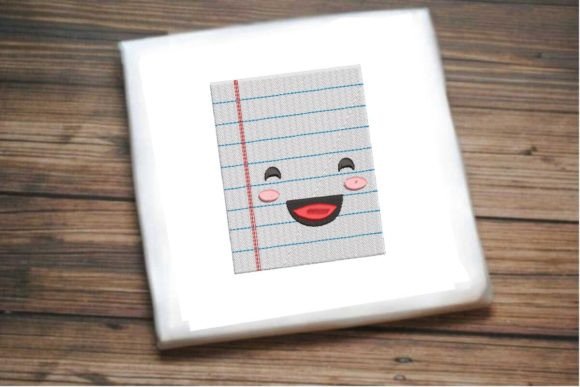
As an embroidery designer who’s built seasonal collections for over a decade, my first glance at Cute White Paper landed with immediate recognition—it’s not just a back-to school motif. It carries the soft, uncluttered charm of early autumn mornings: crisp air, fresh notebooks, quiet anticipation. The design evokes nostalgia without leaning into retro clichés—no chalkboards or cartoon apples here. Instead, it delivers elegant simplicity: clean lines, balanced negative space, and that “mignone” delicacy described in the product title. It feels handmade, intentional, and quietly joyful—ideal for holiday shoppers seeking warmth over flash. Whether stitched on ivory linen or oatmeal cotton, Cute White Paper reads as cozy *and* premium—not childish, not corporate, but warmly human.
Real-World Holiday & Seasonal Use Cases
This machine embroidery design shines where emotional resonance meets practical gifting. On sweatshirt embroidery for family matching sets? Absolutely—especially in muted sage, dusty rose, or heather gray thread colors. It reads beautifully at 3.5"–4.5" hoop size, scaling well across ages (think toddler tees to grandma’s cardigan). As a tote bag design for teacher appreciation bundles or holiday market stalls, Cute White Paper adds subtle sophistication next to bolder motifs—making your small shop product feel curated, not crowded.
Kitchen towel embroidery? Yes—its open stitch density avoids stiffness, letting fabric breathe while still holding definition after repeated washing. For pillow covers and table linens, it anchors minimalist holiday decor without competing with florals or metallics. And as an embroidered patch? Perfect for stitching onto denim jackets, baby blankets, or aprons—adding quiet personality to handmade gift items. Etsy sellers will find it especially effective in printable mockups: its clean silhouette renders crisply in social media previews and digital listings, helping customers instantly visualize the finished product.
Where to Use Cute White Paper Thoughtfully
While versatile, this design rewards intentionality. Avoid pushing it into tiny hoop sizes (<3")—the fine details (like delicate paper curl or subtle fold lines) risk losing clarity. Similarly, steer clear of dense, thick towels or heavy canvas unless you’ve tested stabilizer layers thoroughly; low-density fill areas can shift or pucker without proper backing. On dark fabric, test thread colors first—ivory or pale gold often lifts better than stark white. Metallic thread? Not recommended—the design’s charm lies in texture and tone, not shine.
Stretchy garments (like ribbed knit onesies or curved cap fronts) demand careful hooping and cutaway stabilizer to prevent distortion. And if you’re planning holiday bundles—say, a mug + towel + embroidered notebook set—confirm that all elements share cohesive thread palettes. A mismatched navy thread on one item and cream on another dilutes brand consistency during high-traffic shopping periods.
Why It Elevates Seasonal Appeal & Buyer Trust
Holiday shoppers don’t just buy products—they buy feelings. Cute White Paper taps into the gentle excitement of new beginnings: first days of school, quiet family rituals, thoughtful gifting. That emotional tone translates directly to increased giftability. Customers see it and think, “This feels like something I’d wrap carefully for my sister’s baby shower—or tuck into a teacher’s holiday basket.” Its understated elegance builds trust: no gimmicks, no visual noise—just craftsmanship they can rely on.
For Etsy sellers and craft fair vendors, it supports visual recognition across platforms. Used consistently across pillow covers, patches, and kitchen linens, it becomes a signature touch—a quiet anchor in your seasonal embroidery lineup. And because it pairs so naturally with other minimal motifs (a single leaf, a tiny pencil, a folded ribbon), it strengthens brand consistency without limiting creative flexibility.
Practical Designer Notes Before You Stitch
- Always test thread colors on both light and dark fabric swatches—what reads softly on cream may vanish on charcoal.
- Check stitch density in your embroidery software before production runs—low-density fills need stronger stabilizer on textured fabrics.
- Confirm hoop size compatibility with your target products: 4"x4" works for most tote bags and pillow covers; 5"x7" gives breathing room for layered placements.
- Use appropriate stabilizer: tear-away for stable wovens (linen, cotton poplin); cutaway for knits or stretchy blends.
- Create realistic mockups—not just flat digital renders, but photos of stitched samples on actual fabric textures and lighting conditions.
- Review small details post-stitch: examine edges under magnification for skipped stitches or thread breaks, especially around fine paper contours.
- Plan matching color palettes across your seasonal collection—Cute White Paper invites harmony, not contrast.
- Verify commercial licensing before selling finished seasonal products—this is essential for Etsy sellers and small business owners using digital embroidery files.
Final Thought: A Quiet Anchor for Your Holiday Lineup
In a season full of glitter and grand gestures, Cute White Paper offers something rare: quiet confidence. It doesn’t shout—but it lingers. It fits seamlessly into back-to-school launches, fall family gifts, holiday teacher appreciation, and even early New Year reflection pieces. For embroidery sellers building meaningful, repeatable seasonal collections, it’s not just another machine embroidery design. It’s a trusted voice—soft-spoken, precise, and ready to help your handmade gift stand out, not blend in.